Movement in Repose
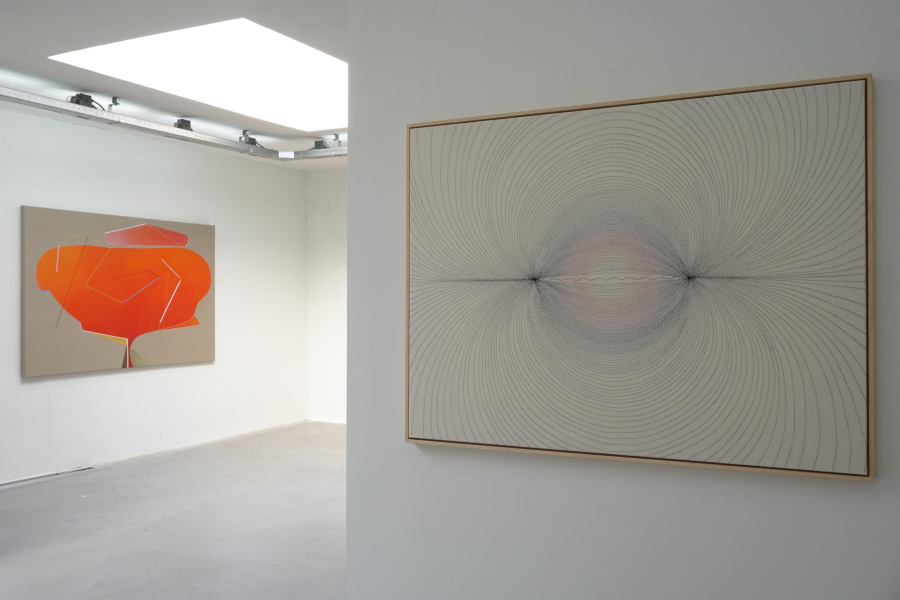
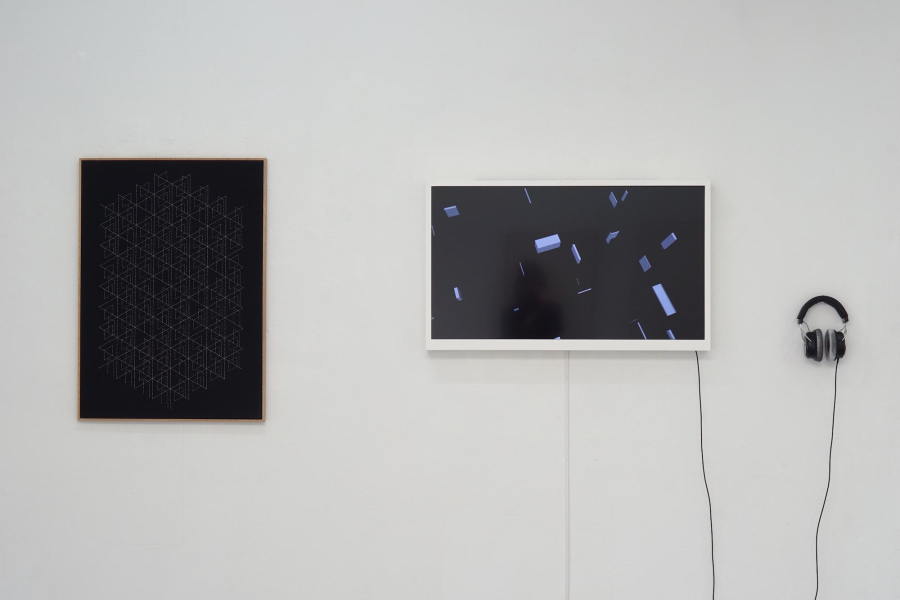
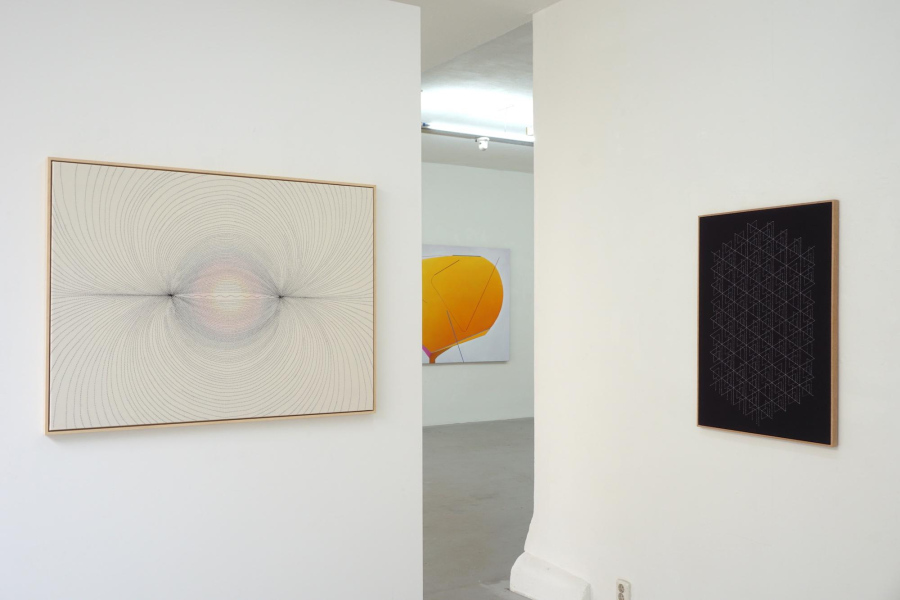
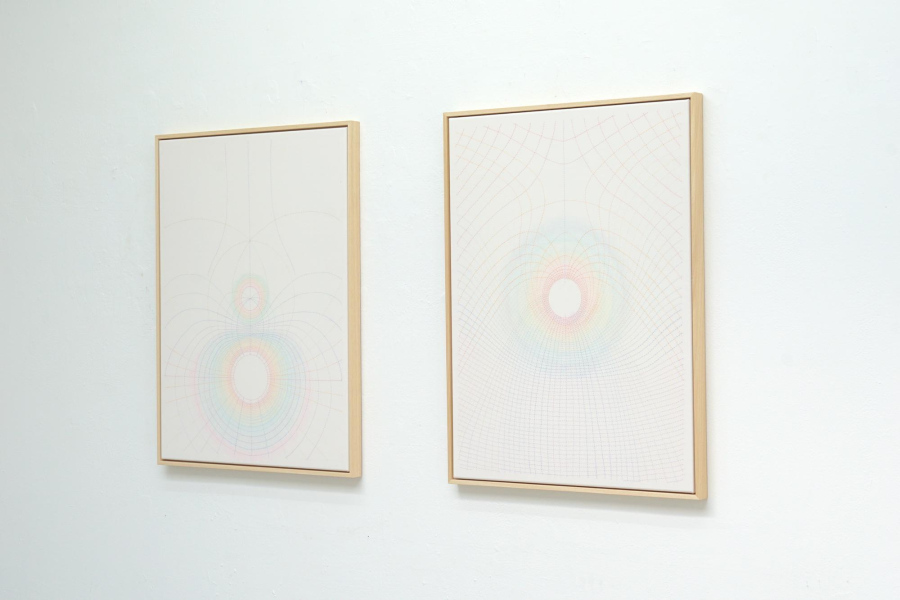
Solo exhibition at Gallery Frank Taal, Rotterdam, 2026
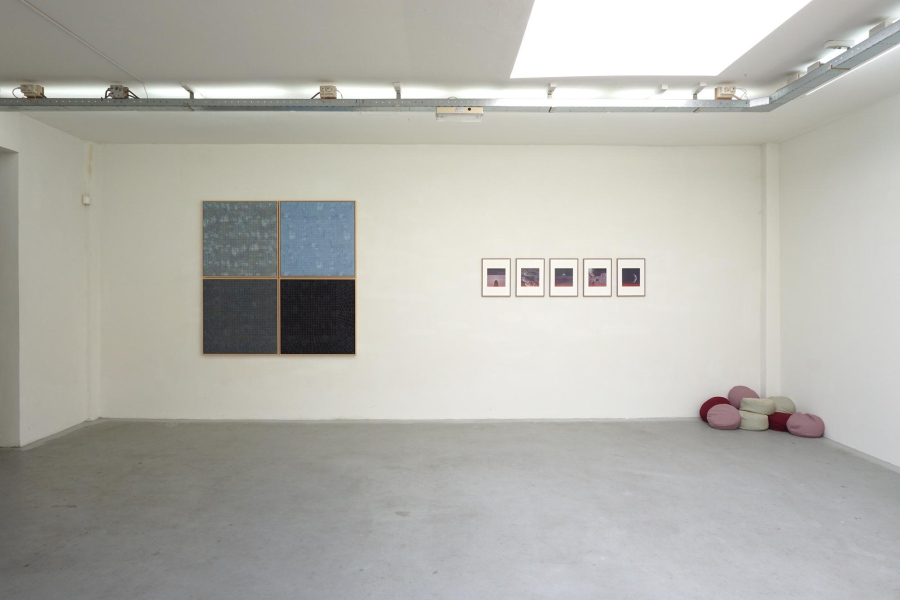
Through the slow processes of listening, embroidery, and weaving, Zoë d’Hont (NL, 1990) explores a sense of place and belonging. Visual and audible waveforms emerge as dreamlike architectures and cosmic resonances. Sound, light, emotions, perceptions, fields of force, and energy—everything that exists—moves through time and space.
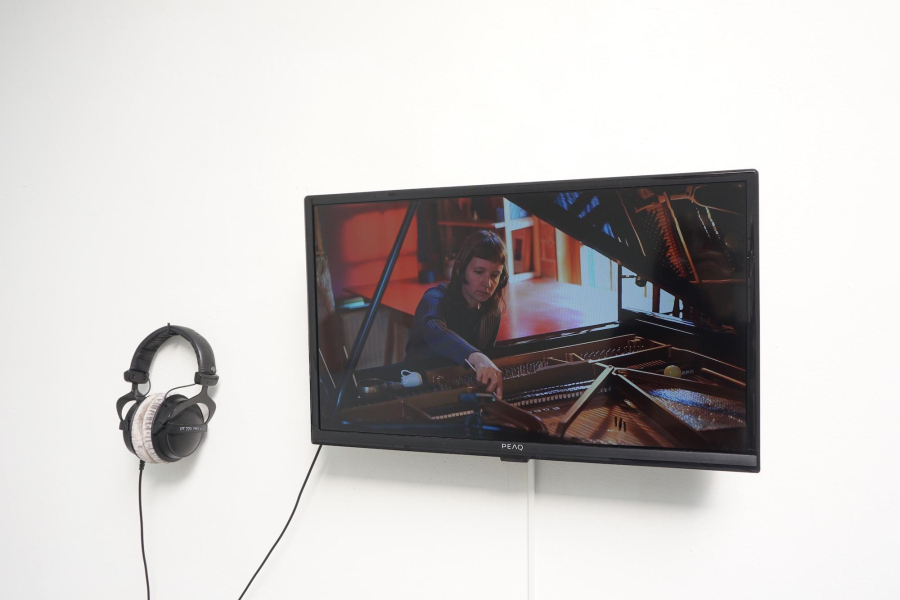
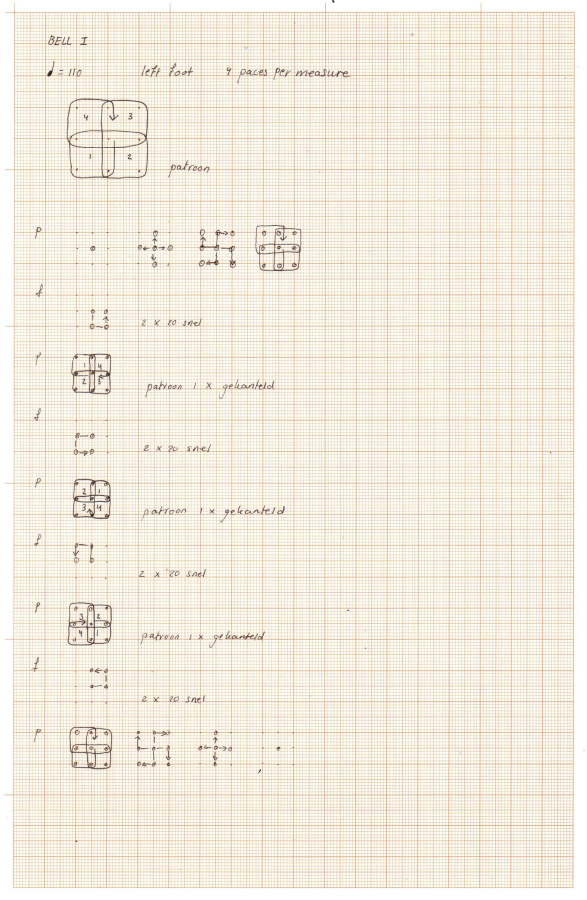
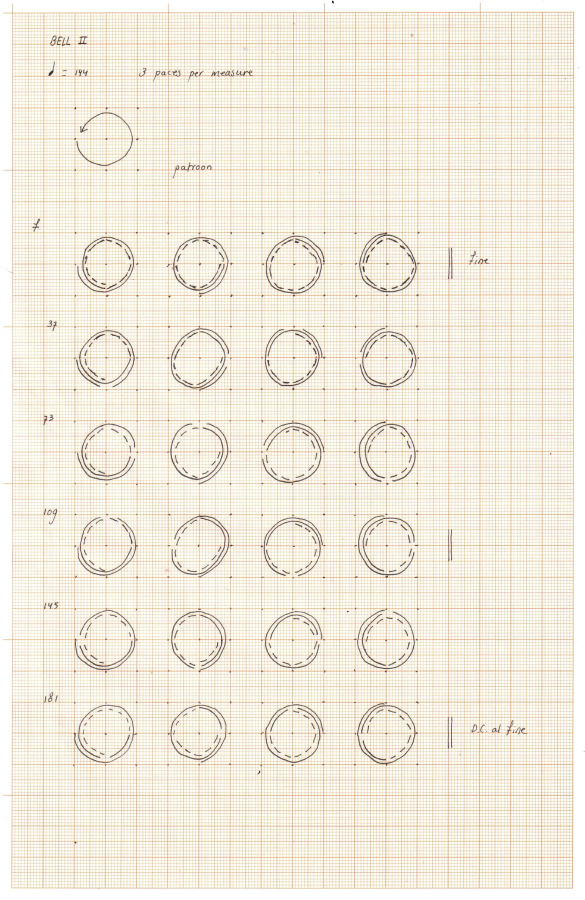
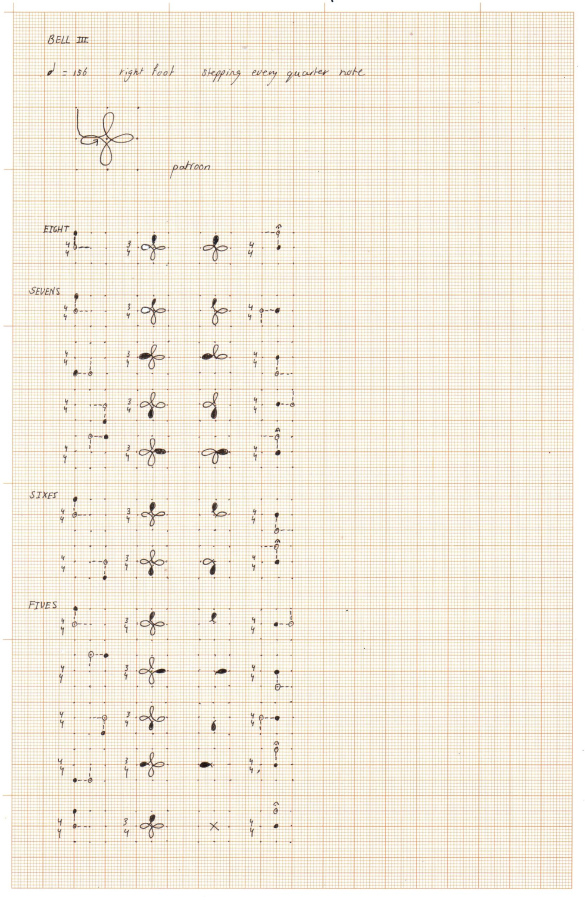
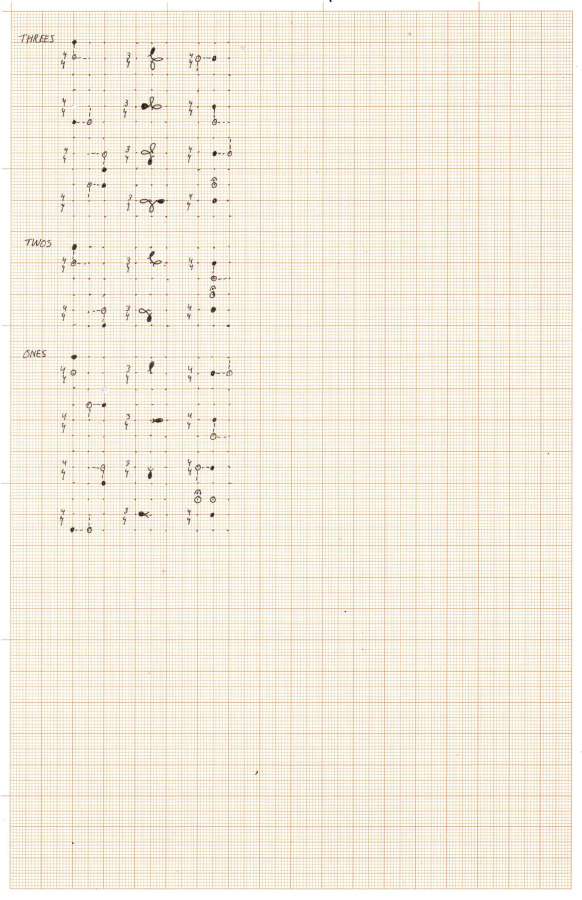
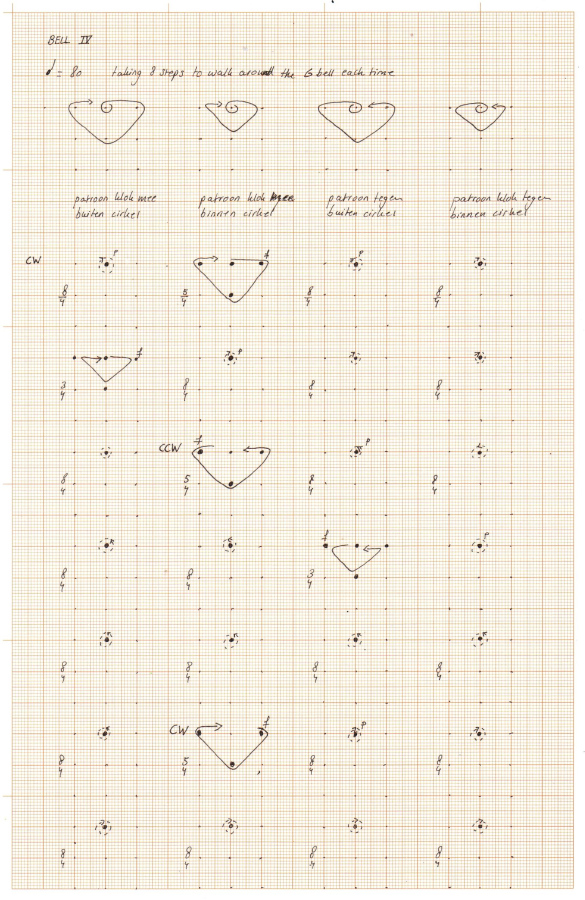
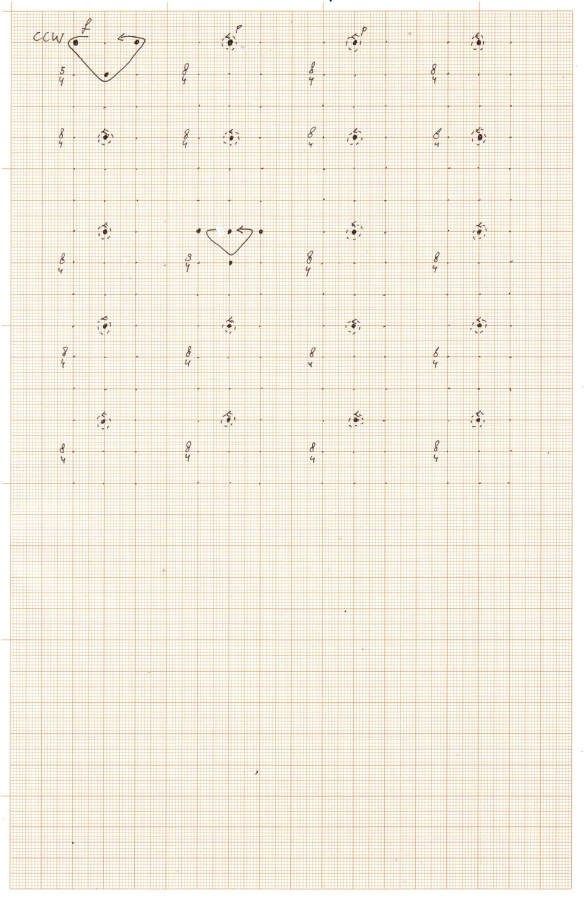
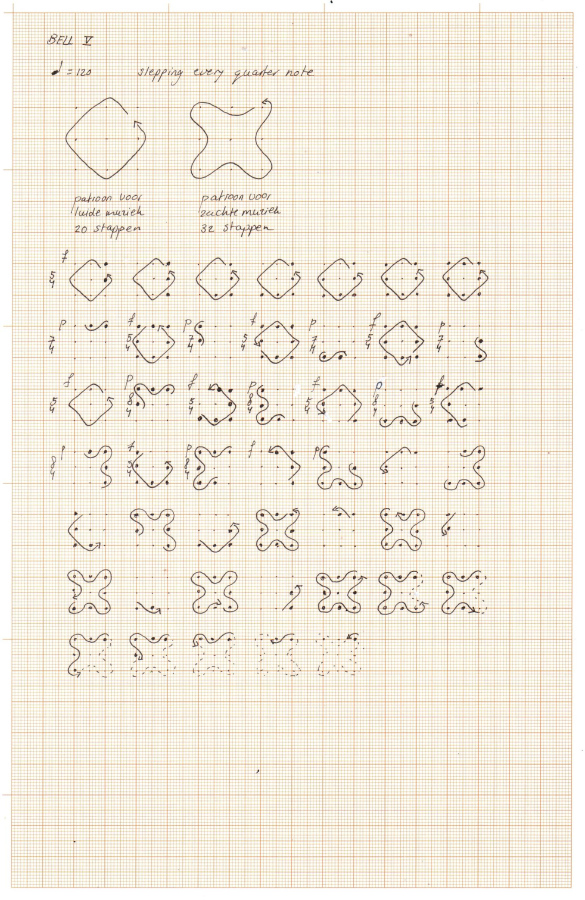
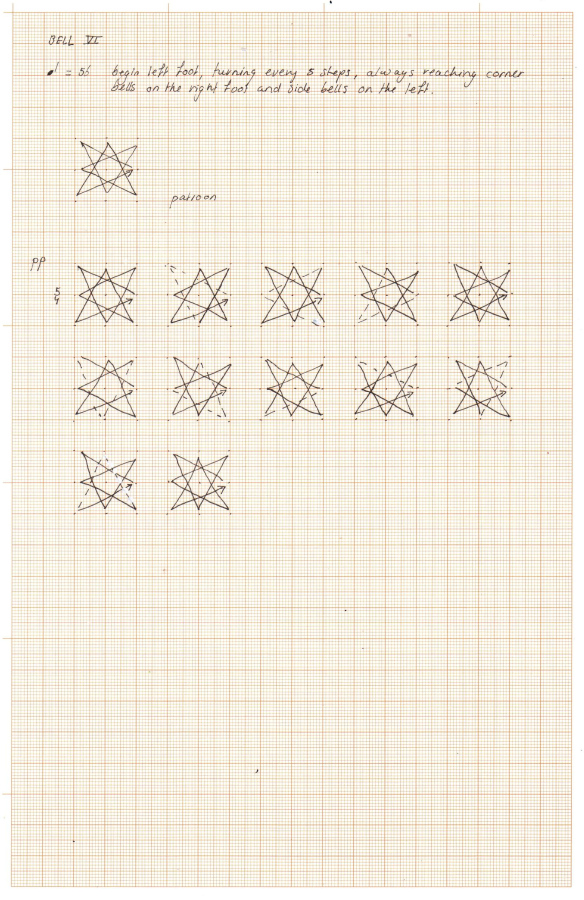
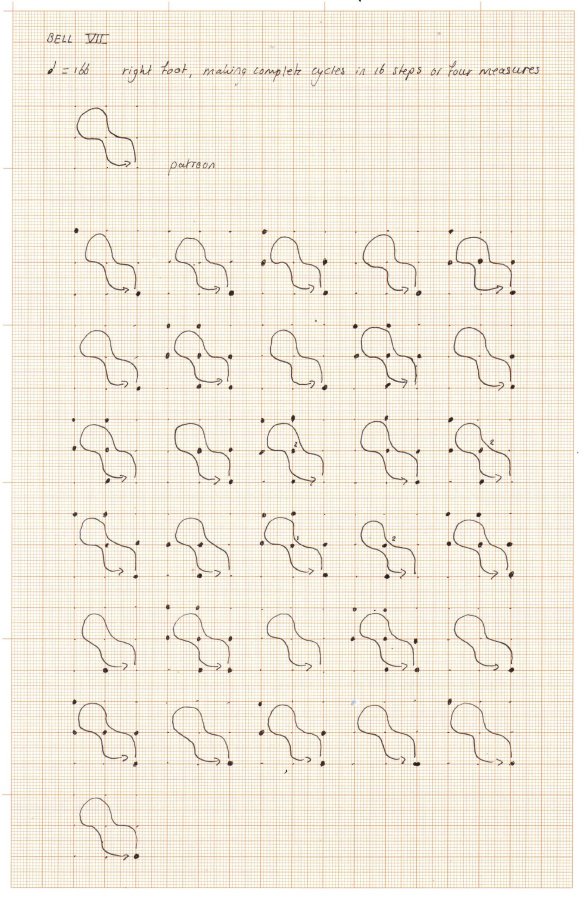
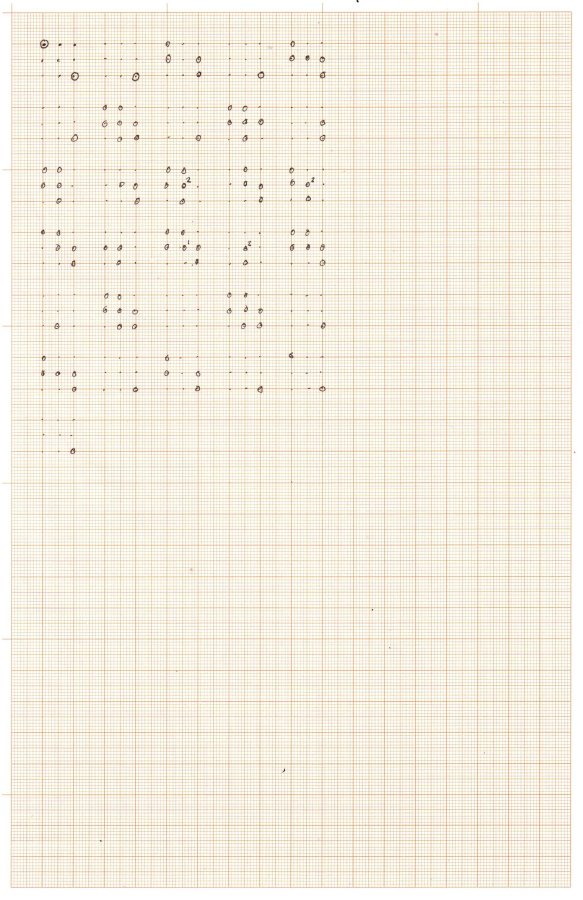
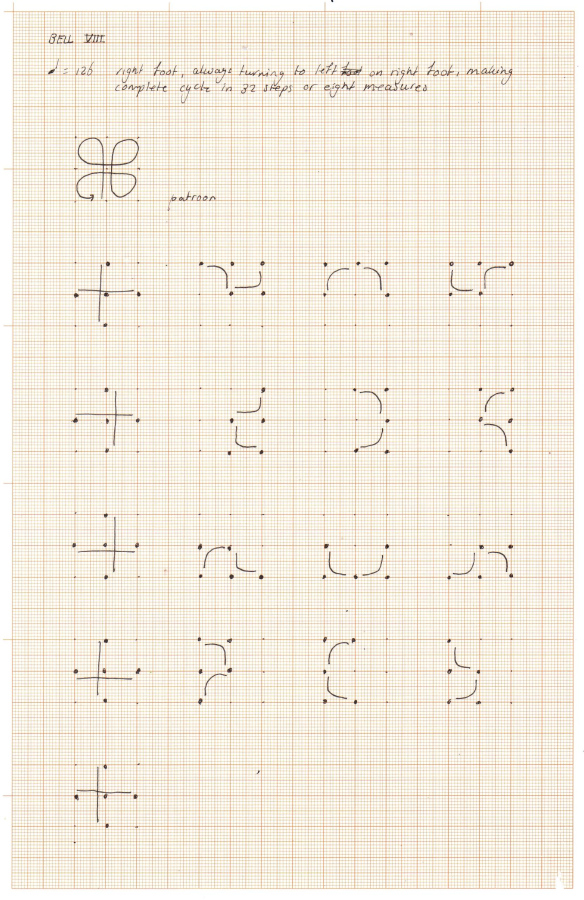
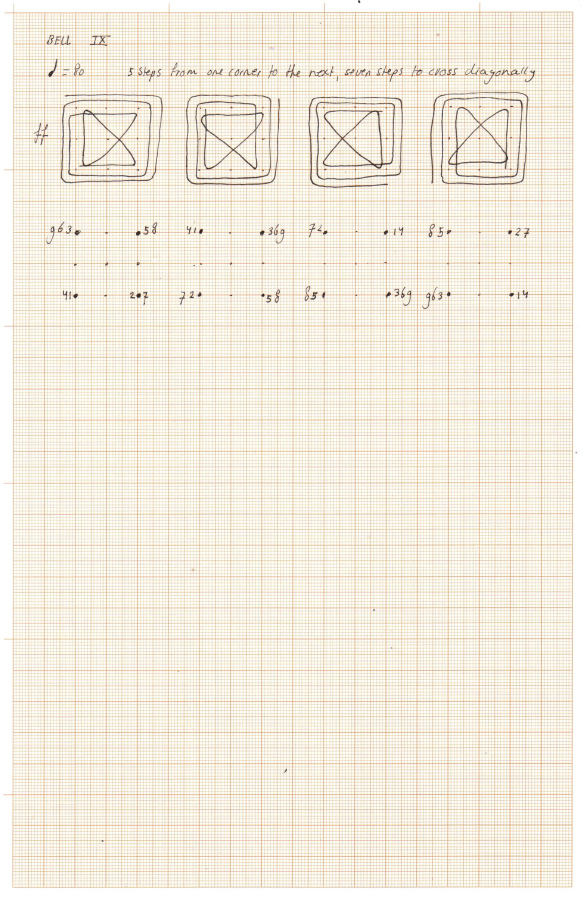
With a background in classical piano, Zoë is interested in interpreting existing scores and systems of language. Scores function as a way of sharing a composition, a situation, or a constellation of moments. The egolessness of the shared and the individuality of interpretation form a delicate balance between multiplicity and unity. Reinterpreting historical material creates a poetic interplay between past and present. Re-enactment is never a simple repetition of what came before; each new movement deepens the experience of meaning.
Loss of Signal
Slimtarra tapestry at Extrapool, Nijmegen, 2026
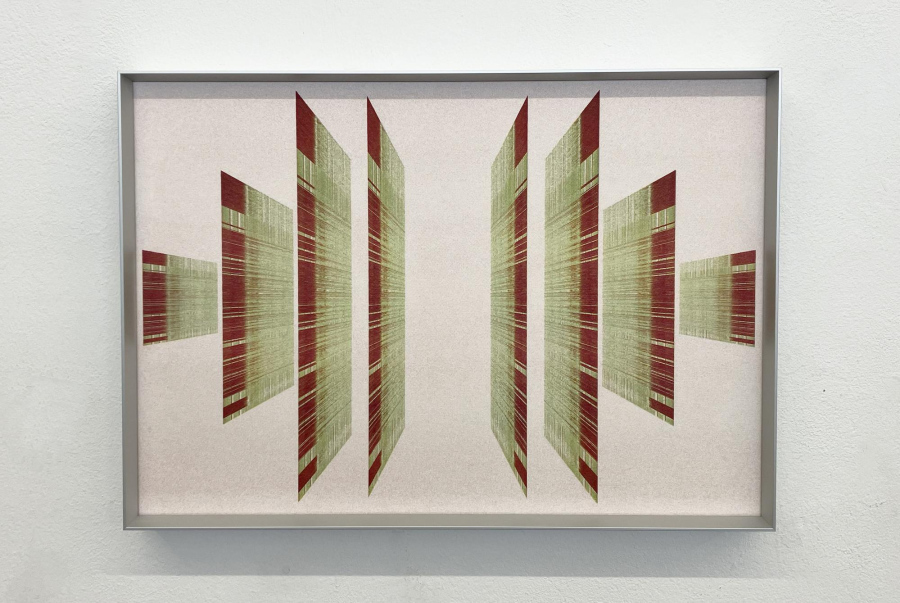
Risoprint 28x40cm
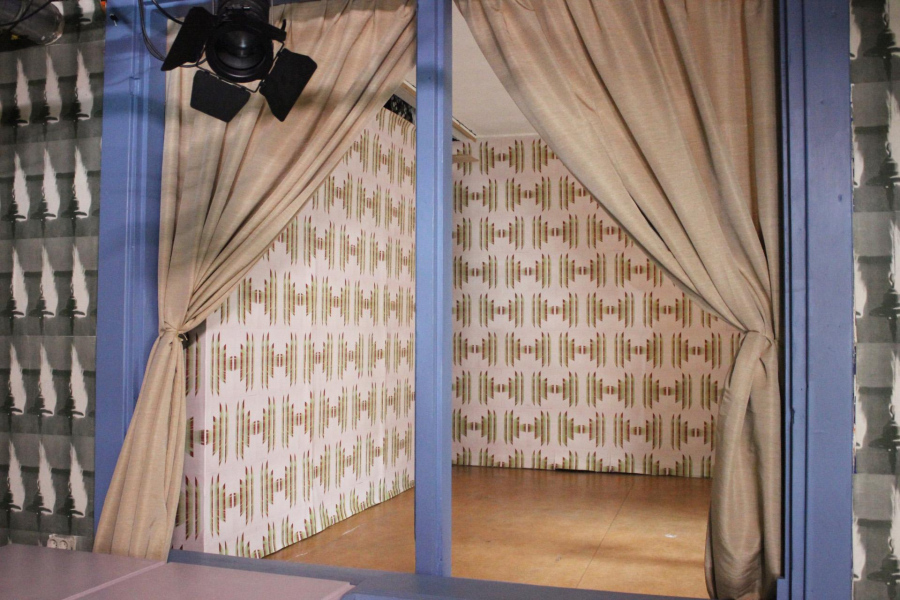
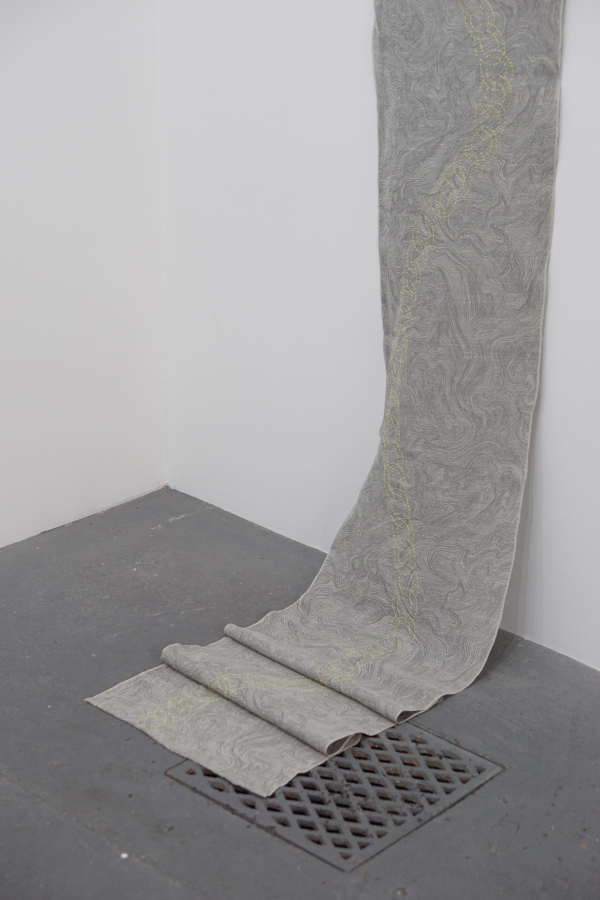
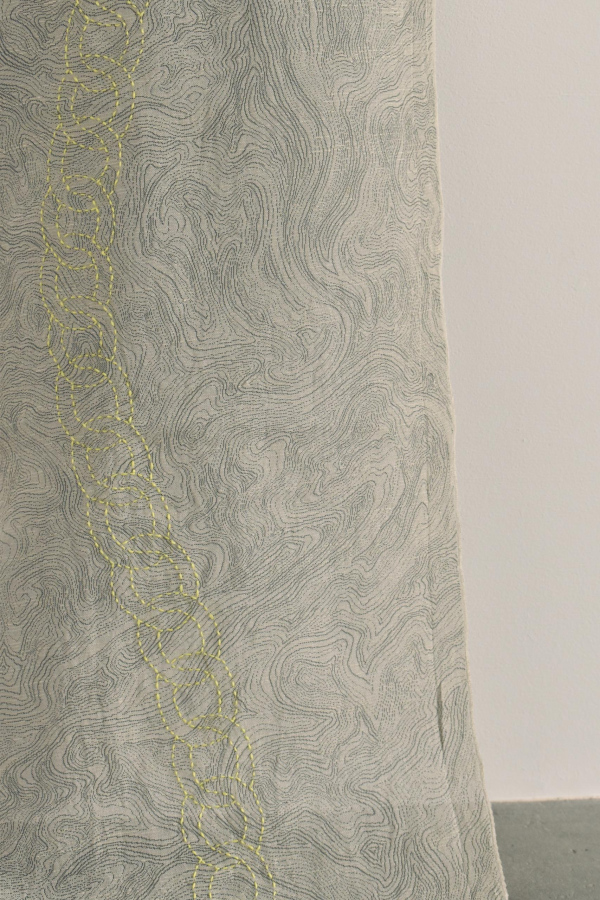
The work embraces the room and stretches into the three-dimentional as it expands its pattern along the walls. A new Slimtarra (tapestry) which is inspired by the recent Artemis II mission. The starting point is a spectrogram of the critical moment before the spaceship enters a 40-minute 'loss of signal'. The pattern that emerges appears and disappears in infinite space.
Nachtbrieven
Museum Perron Oost, Amsterdam, 2025
Met Maria Barnas, Razia Barsatie, Gerda Blees, Ronny Delrue, Nathalie Brans, Hanne Hagenaars - Ellen Sanders, Elise 's Hart, Zoë d'Hont, Vincent Icke, Sanne Kabalt, Stan Klamer, Lennart Lahuis, Bernke Klein Zandvoort, Uli Kürner, Natalia Ossef, Ilse Josepha Lazaroms, Sholeh Rezazadeh, Eva Spierenburg, Sarah van Sonsbeeck, Anna J. van Stuijvenberg, Kim Streur
9 januari - 30 maart 2025
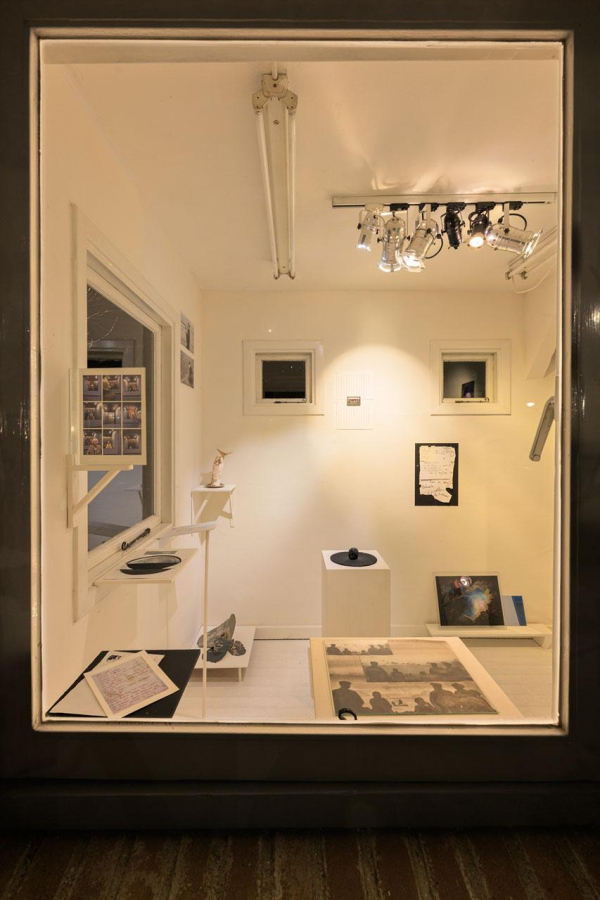
Beeldend kunstenaar Kim Streur nodigde 20 kunstenaars en schrijvers uit een nachtbrief naar Museum Perron Oost te sturen. Zo’n brief kan alles zijn: een object, een foto of misschien wel een geluid - de nacht laat immers ruimte voor het onvermoede...
Foto: Pieter Kers
Nachtbrief #8 - Zoë d'Hont
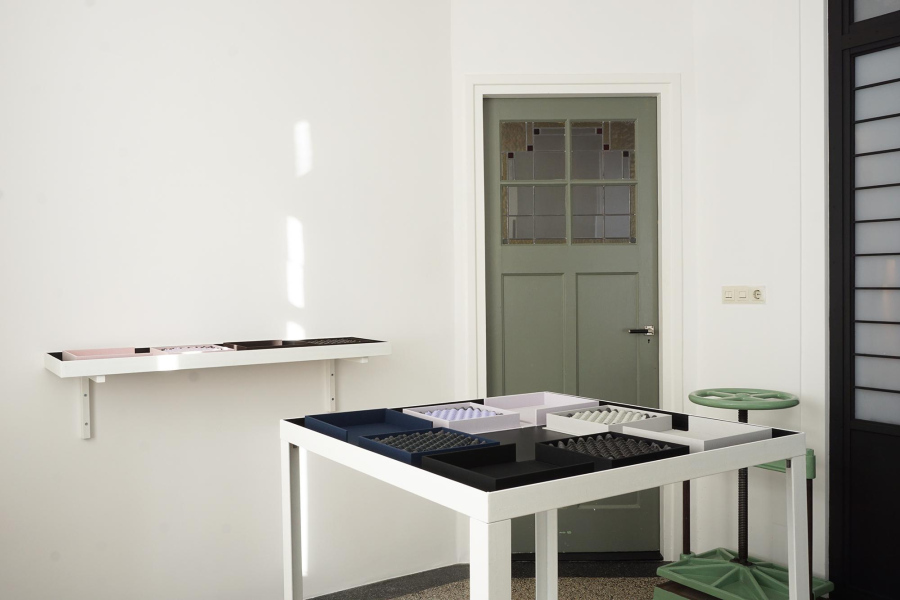
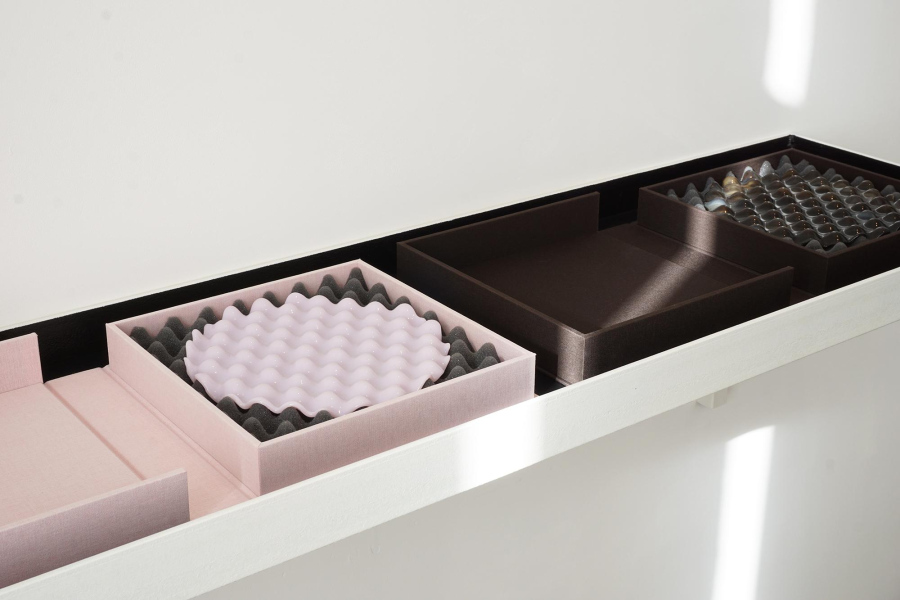
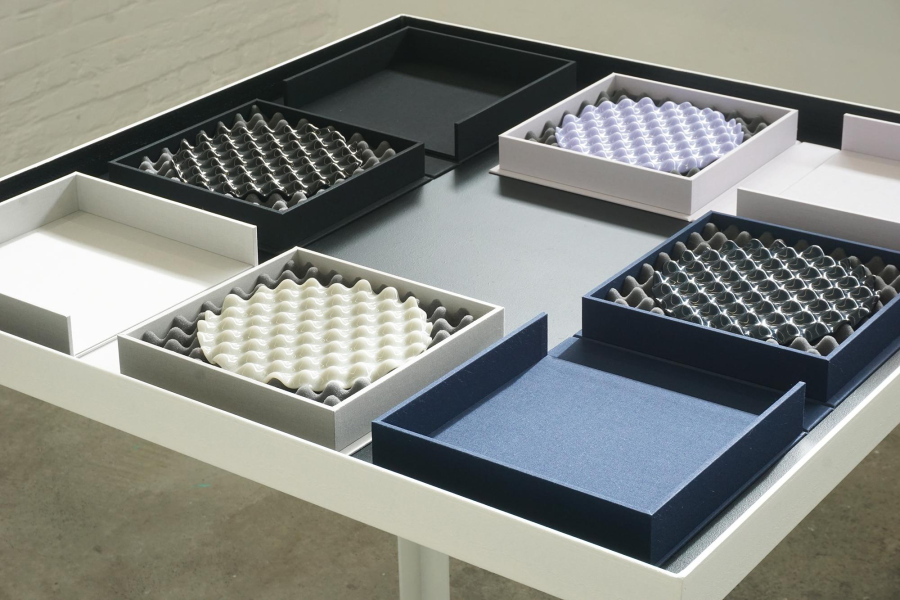
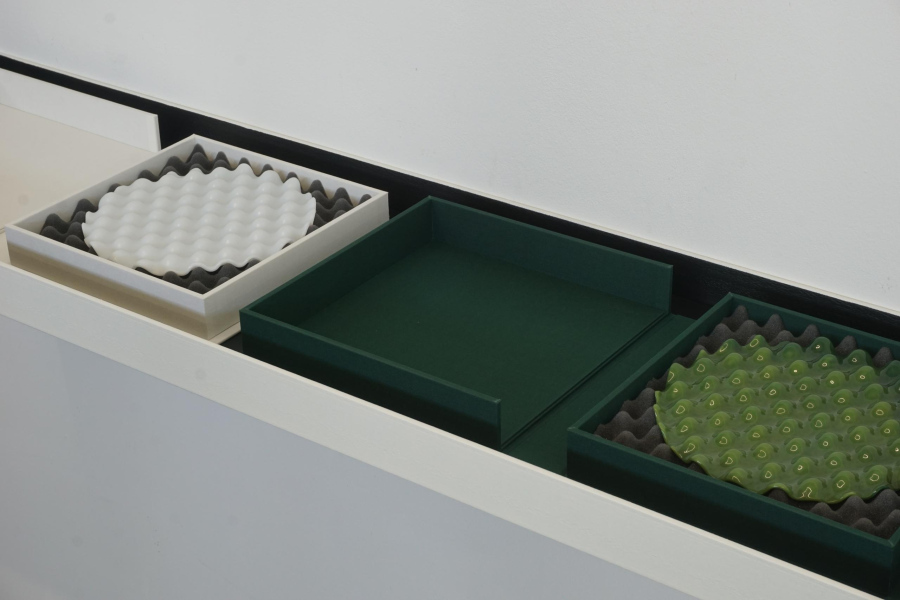
Deep Listening Dinner Table
Glazed Ceramic, table, cotton tablecloth and napkin
Huiskamer van de Kunstenaar
8.5.2025 at FAX Hasselt
Curated by Annemarie van der Slobbe
With Adriaan Rees, Annemarie van der Slobbe, Marnix Postma, Peim Sloot, Pablo Hannon, Stef Lemmens, Zoë d'Hont and Zaiyun Huang
For 24 hours, Huiskamer van de kunstenaar can be visited both night and day. During this exhibition the interaction with art is brought back to the way of the artist. Blurring the lines between art and daily life, guests are involved in the domestic rituals of this changing space.
Gather around a cozy tea lounge to enjoy mythical stories by Adriaan Rees. Experience a deep listening dinner with Zoë d’Hont, or make an abstract journey to the core of the earth. Discover the mobile living space of Stef Lemmens and talk about our connection with the natural environment, materialism, fast fashion and forgotten knowledge. The combined artworks, the space and activities form an multi-sensory experience. Huiskamer van de kunstenaar is an invitation to make yourself at home, take your time and relax.
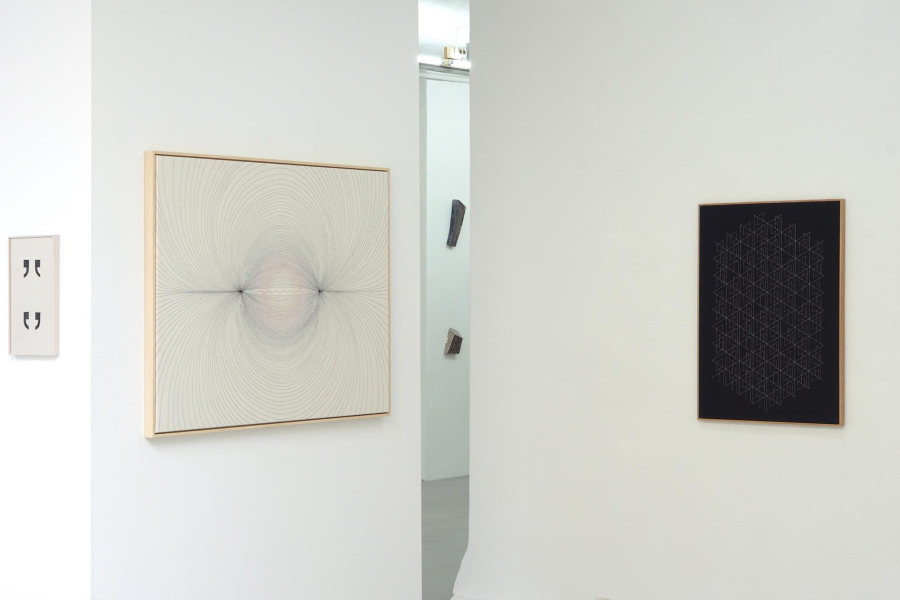
Symphony of a Thousand Frogs
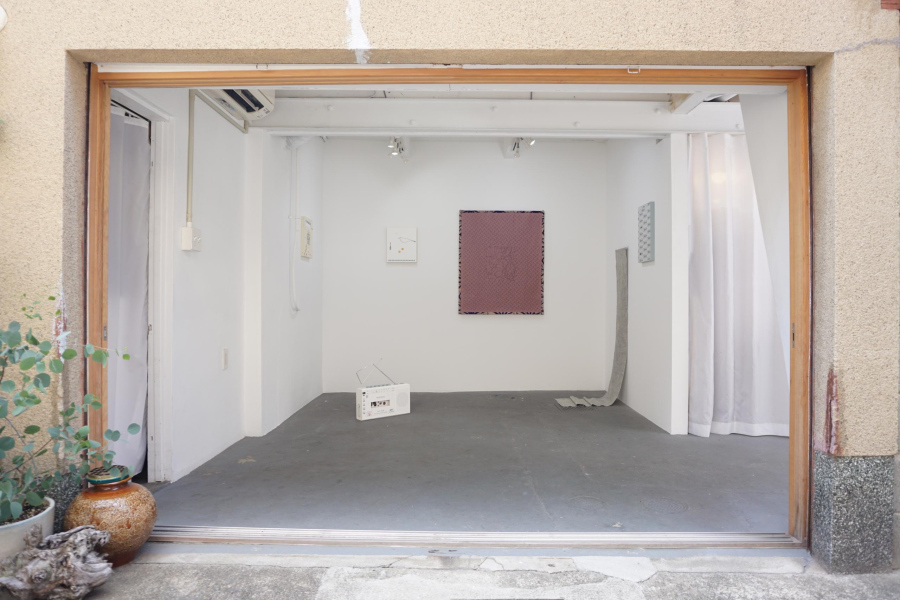
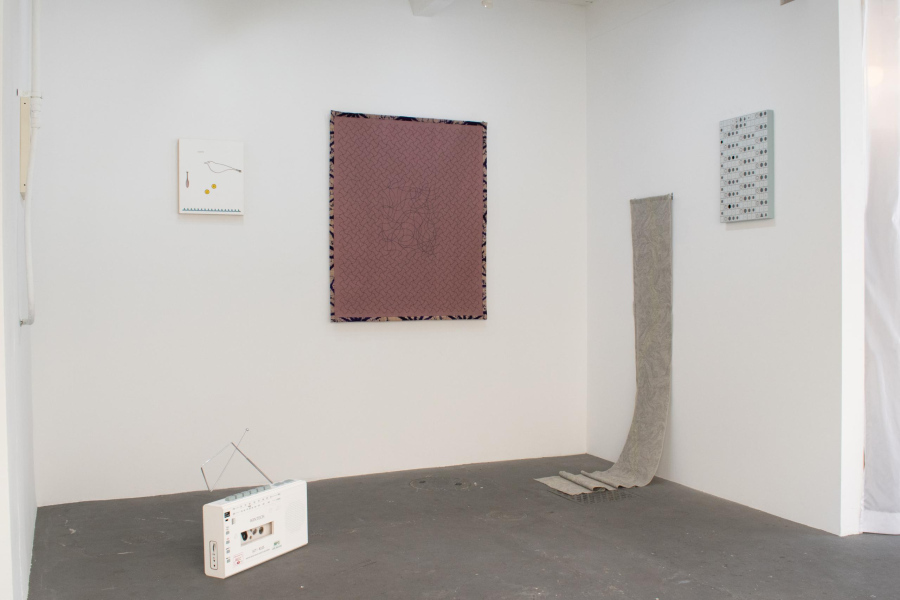
Exhibition together with Ruben Mols at Kumagusuku SAS, Kyoto, 2023
Both artists share a great interest in the immaterial aspects of our lives. The element time plays a central role in the presentations. Zoë's works are the result of meditative exercises during which time dissolved and she got to listen closely to her environment. Ruben's works are reflections on technologies and their temporal, fluent and ever evolving character.
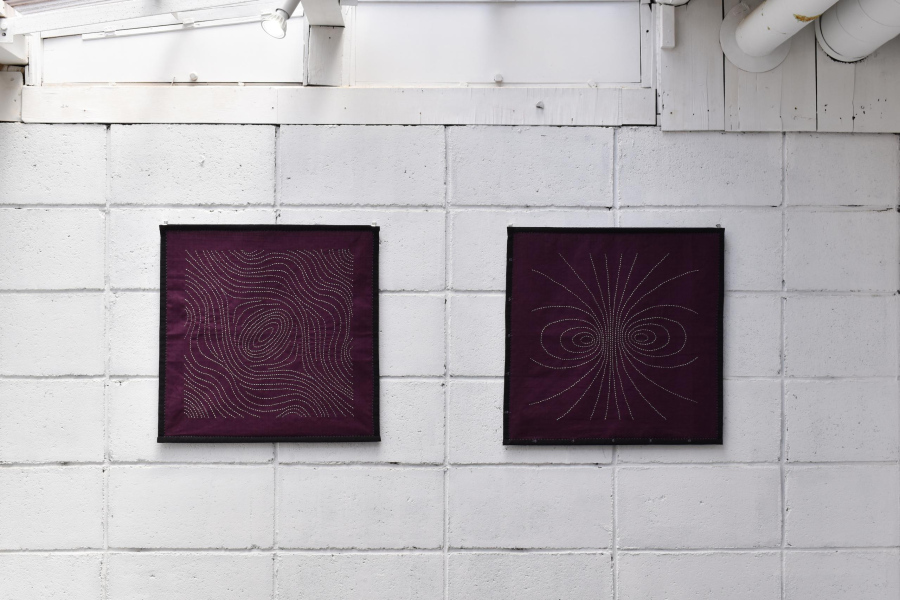
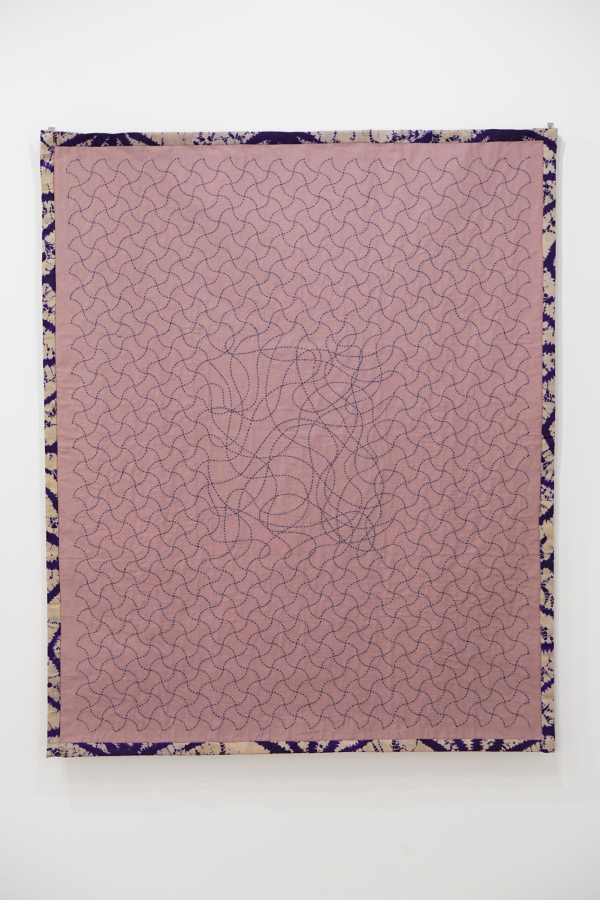
Sashiko is a type of embroidery in which clothing and other textiles are decorated with patterns for decorative and functional purposes. In addition to the patterns strengthening the fabric and thereby making it more sustainable, the patterns reflect the environment of local populations and families. In the past, personal patterns were designed within families and regions that had a symbolic function. In this way, the pattern reveals information about the maker's immediate environment. With this in mind, Zoë started to develop her own style of Sashiko, as a way to establish her local presence. Using fabrics and yarns she found in the area. At a farm in Iberaki, a thousand frogs surrounded them with their songs. As in Japan the word Kaeru (frog) also means to return, it’s a symbol to return home safely. With that knowledge Zoë and Ruben decided that the sound of the frogs should become the title and soundtrack of their exhibition.